
The DM Conversation Quality Audit: How Online Coaches Find the Replies That Are Costing Booked Calls
A practical DM conversation quality audit for online coaches who want to review real Instagram DM threads, improve qualification, protect voice, and find where booked calls are slipping.

Booked calls can hide weak conversations.
So can cheap leads.
So can a busy inbox.
If you are an online coach with real DM volume, you can look at the calendar and think the sales system is working. People are booking. The setter is replying. The ads are bringing in conversations. The CRM has tags. The AI tool is answering faster than you ever could manually.
But when you open the actual threads, the truth is messier.
Some leads were rushed to a call before they were qualified. Some got a fast reply that ignored what they actually said. Some asked a serious question and got a saved reply that sounded like it belonged to a different person. Some were warm, but the follow-up treated them like a cold lead. Some booked because they were already sold, not because the conversation was good.
That is why you need a DM conversation quality audit.
Not a vanity review of response time. Not a screenshot folder of "good conversations." Not a blame session for your setter or VA.
A real audit of the conversations that create, protect, or quietly leak revenue.
Conversation quality is where revenue leaks hide
Most coaches track the obvious numbers:
- new followers
- inbound DMs
- ad spend
- booked calls
- show rate
- close rate
- cash collected
Those numbers matter, but they do not explain what happened inside the conversation.
A lead can come from a strong ad, enter the DMs with clear intent, and still lose momentum because the reply was vague. A setter can book a call that should never have been booked. An AI assistant can answer quickly but miss the nuance that would have made the lead feel understood. A coach can have decent volume and still be leaving qualified buyers in the inbox.
The audit is how you find the pattern.
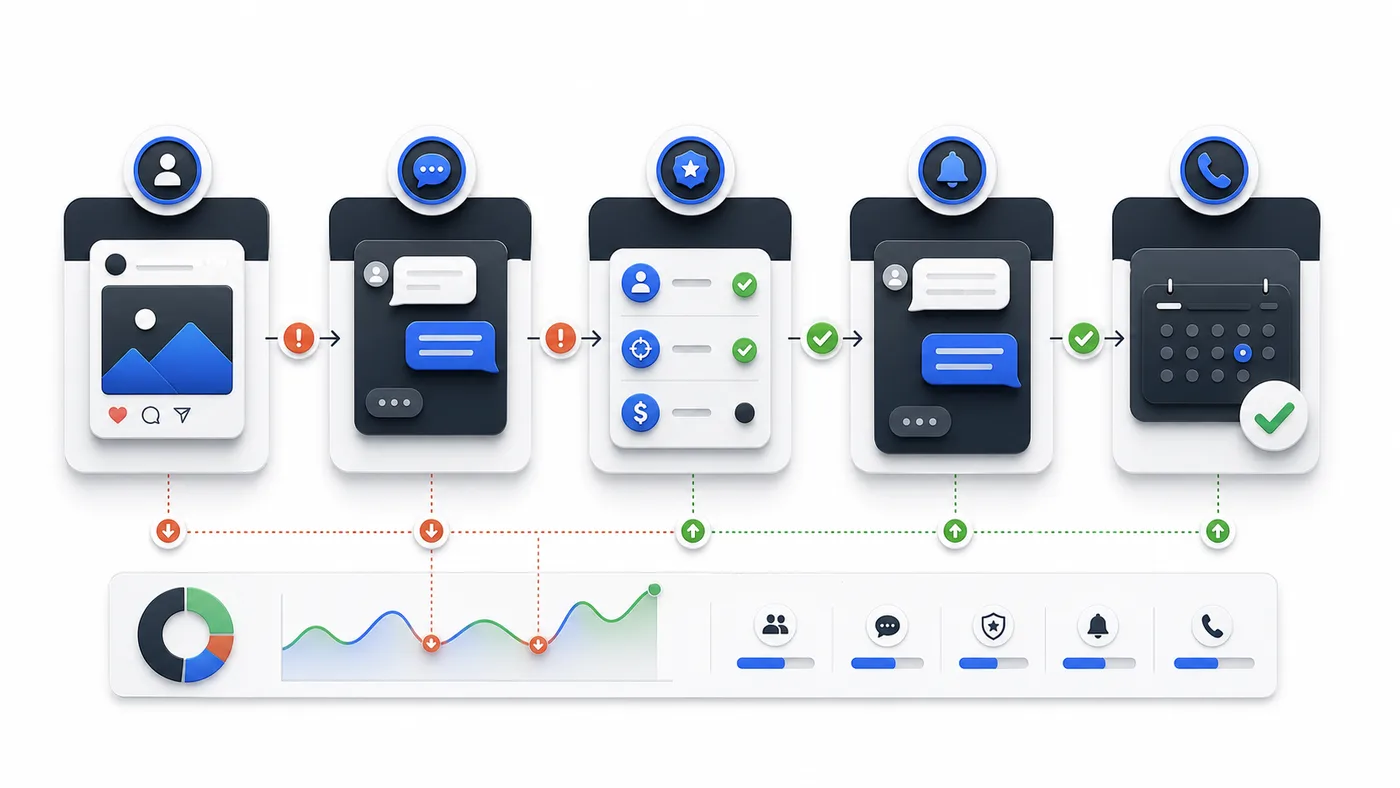
The point is not to read every DM forever. The point is to review enough real threads to see where the system is helping buyers move forward and where it is creating friction.
If you are already testing DM ads, this pairs well with the $50/day DM ad test framework. Ads can create demand, but the conversation decides whether that demand becomes a qualified call.
Pull the right sample before you judge the system
Do not audit only the conversations that booked.
That is how coaches accidentally convince themselves the DM system is cleaner than it is.
Pull a small sample across different outcomes:
| Conversation type | Why it matters |
|---|---|
| Booked call | Shows whether the lead was actually qualified before the handoff |
| No-show | Shows whether expectations, urgency, and fit were clear enough |
| Ghosted warm lead | Shows where momentum dropped |
| Unqualified lead | Shows whether the team disqualified clearly and respectfully |
| New paid client | Shows what a strong path looked like |
| Ad lead | Shows whether ad intent matched DM handling |
| Organic inbound lead | Shows whether context from content was used |
| Setter-handled thread | Shows handoff and voice consistency |
| AI-assisted thread | Shows whether automation kept enough context |
For most coaches, 10 to 20 threads is enough for a weekly audit. You are not trying to run academic research. You are trying to catch the repeated failure that keeps showing up in the same place.
If your business is scaling fast, add one extra sample group: "threads that felt fine at the time but did not turn into revenue." Those are usually more useful than the obvious disasters.
The seven scores to use
When you review a DM thread, score the conversation across seven areas:
- First reply quality
- Context retention
- Qualification depth
- Voice and trust
- Objection handling
- Follow-up quality
- Booking handoff and status accuracy
This keeps the audit from becoming emotional.
Instead of "this conversation was bad," you can say, "the first reply was fine, the voice was close, but qualification was weak and the handoff did not explain why this person was a fit."
That is a fixable system problem.
Score 1: First reply quality
The first reply should do more than arrive fast.
Fast is useful. Fast plus irrelevant is not.
Review whether the first reply:
- acknowledges what the lead actually said
- matches the lead source or content angle
- avoids sounding like a copy-pasted pitch
- gives the next step without pressure
- asks a useful question when more context is needed
This is especially important when a lead comes from a story, content CTA, comment automation, webinar, lead magnet, or DM ad. Their first message usually carries intent. If your system ignores that intent, the conversation starts colder than it needed to.
For example, a lead who says, "I saw your post about getting clients without posting every day" should not receive the same reply as someone who says, "How much is coaching?"
The context is different. The reply should be different.
Score 2: Context retention
This is where a lot of DM systems break.
The lead already told you their niche, goal, bottleneck, or timeline. Three messages later, your setter or AI asks the same thing again. Or worse, the reply ignores the thing they cared about most and moves straight into a generic booking push.
Context retention means the conversation remembers what matters.
Look for:
- repeated questions
- ignored pain points
- missed buying signals
- old thread context not being used
- replies that treat a warm lead like a brand-new stranger
- handoffs that lose important details
This is one reason coaches outgrow basic saved replies. Saved replies can help with consistency, but they do not remember the thread for you.
If you are unsure whether your inbox needs a real system or just better habits, read Do You Need a CRM for Instagram DMs?. The main question is not whether a CRM sounds impressive. It is whether your sales context is being preserved where decisions happen.
Score 3: Qualification depth
Qualification is not interrogation.
It is not making the lead jump through hoops so your team feels organized.
Good qualification helps both sides understand whether the call makes sense.
Review whether the conversation clarified:
- what the lead wants
- what they have tried
- what is not working
- whether they match your audience
- whether the problem is urgent enough
- whether they understand the type of support you offer
- whether a call is the right next step
HubSpot's lead qualification guidance emphasizes the value of clear qualification criteria and workflows so teams can prioritize the right prospects. In a coaching business, the same principle applies inside the DM thread. If your team does not know what makes someone qualified, the inbox becomes guesswork.
For coaches, weak qualification usually shows up in two ways.
First, too many people get the call link. The calendar looks full, but call quality drops.
Second, good leads get overqualified. They were ready, but the conversation turned into a long intake form in the DMs.
The audit should catch both.
Score 4: Voice and trust
Your DM voice matters more than most operators want to admit.
People are not only buying information. They are deciding whether they trust you with their problem, their money, and sometimes a very vulnerable personal or business goal.
Review whether the thread sounds like:
- the coach's actual tone
- the brand's level of warmth
- a real human who read the message
- a premium service, not a desperate pitch
- clear without being cold
- confident without being pushy
This gets harder when you add a setter, VA, or AI assistant. The goal is not to make every message sound identical. The goal is to make the conversation feel like it belongs to the same business.
That is why the setter scorecard for online coaches should include quality of judgment, not only speed and call volume.
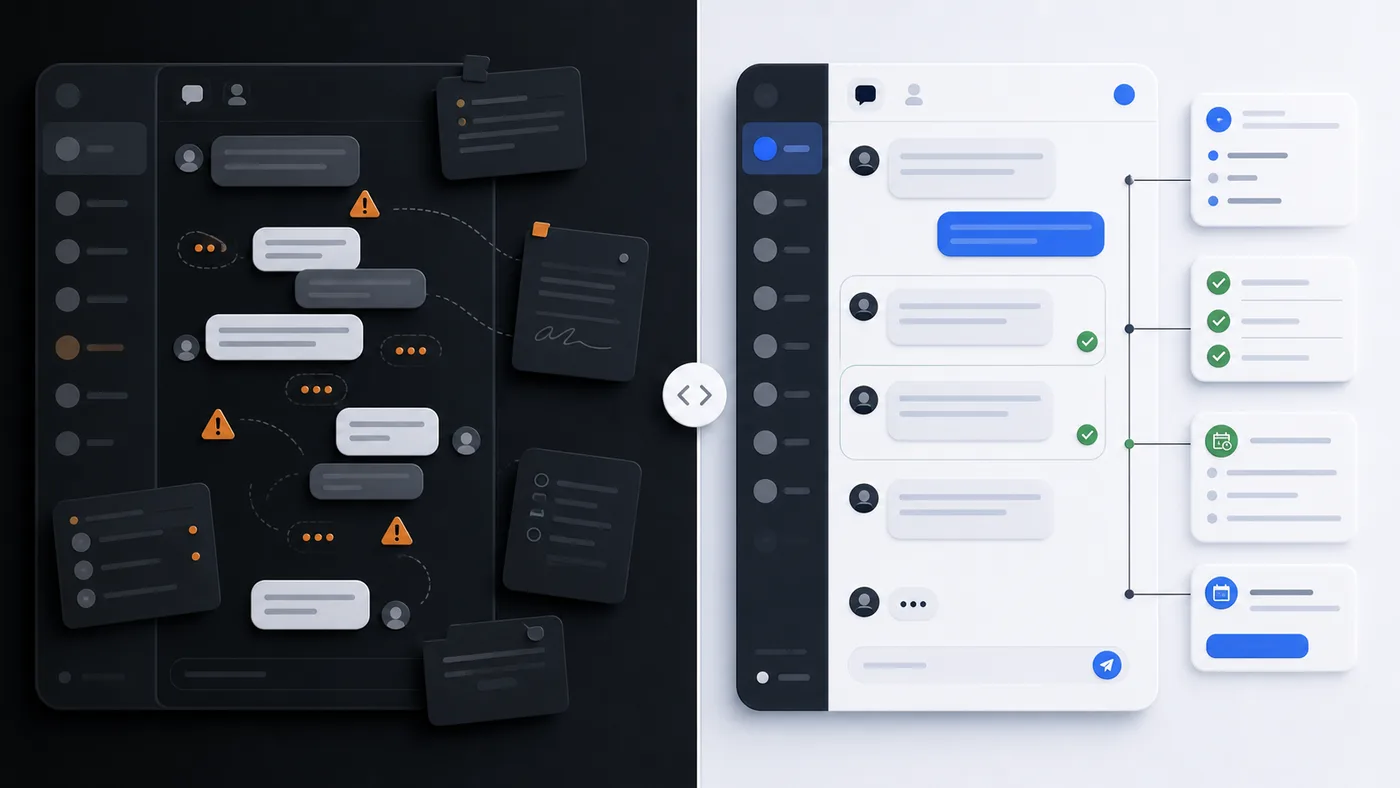
The better version is rarely "longer." It is usually more specific. It reflects the lead's words, asks the right next question, and moves the conversation forward without flattening the coach's voice.
Score 5: Objection handling
Objections in the DMs are not always objections.
Sometimes "how much is it?" means "is this serious enough for me to pay attention?"
Sometimes "I need to think about it" means "I do not understand why this is different from the last thing I tried."
Sometimes "I do not have time" means "I am afraid this will become another program I fail to implement."
Review whether the conversation handled concerns with context or just answered the surface-level words.
Strong objection handling:
- acknowledges the concern
- avoids arguing
- connects back to the lead's stated goal
- clarifies fit
- gives a clean next step
- knows when to stop pushing
Weak objection handling either panics or collapses. It floods the lead with explanation, discounts too quickly, sends the link again, or ends the conversation before understanding what the lead meant.
This is one reason your DM assistant needs the full conversation context. Without context, objection handling becomes a stack of canned answers.
Score 6: Follow-up quality
Follow-up is not "checking in."
At least, not if you want premium buyers to respond.
Review the follow-ups in your sample and ask:
- Did the follow-up reference the actual conversation?
- Did it match where the lead was in the decision process?
- Did it offer a useful next step?
- Did it avoid sounding like pressure?
- Did it stop when the conversation was clearly done?
- Did it continue when the lead had shown real intent?
This matters because many coaches have follow-up volume without follow-up judgment.
The message goes out. The box gets checked. But the follow-up does not feel connected to what the person said before.
That is the difference between "Hey, just checking in" and "You mentioned the main issue was getting qualified consults without spending another three hours a day in content. Want me to send the two paths we usually look at before deciding if a call makes sense?"
One feels like a task. The other feels like attention.
Score 7: Booking handoff and status accuracy
The booking handoff is where conversation quality becomes sales quality.
Review whether the thread made the next step clear:
- why the call makes sense
- what the lead wants help with
- what they have already shared
- what should be discussed on the call
- whether any red flags exist
- whether the lead has the right expectations
Also review whether your system marked the lead accurately.
Is this person qualified? Warm? Needs nurture? Booked? No-show? Not a fit? Waiting on answer? Already client?
Status accuracy matters because bad labels create bad follow-up.
If someone is marked as cold when they already asked about pricing, the follow-up will be too weak. If someone is marked as qualified when they never shared the real problem, the sales call starts messy. If someone booked but the call notes are empty, the coach has to rebuild the whole conversation live.
This is where lead source tracking for online coaches becomes useful. Source, status, and conversation context should work together. A lead from a DM ad, a story reply, and a referral may need different handling even if they all booked the same calendar.
The DM conversation quality scorecard
Use a simple 0 to 2 score for each area.
| Area | 0 means | 1 means | 2 means |
|---|---|---|---|
| First reply | Generic or mismatched | Clear but basic | Specific, contextual, useful |
| Context retention | Repeats or ignores details | Uses some context | Keeps the important thread history alive |
| Qualification | No clear fit check | Some useful questions | Fit, urgency, and next step are clear |
| Voice | Off-brand or robotic | Acceptable but flat | Sounds like the business and builds trust |
| Objection handling | Pushy, vague, or avoidant | Answers the concern | Understands and redirects with judgment |
| Follow-up | Generic check-in | Timely but basic | Contextual and stage-aware |
| Handoff/status | Missing or inaccurate | Partially clear | Clean call handoff and accurate status |
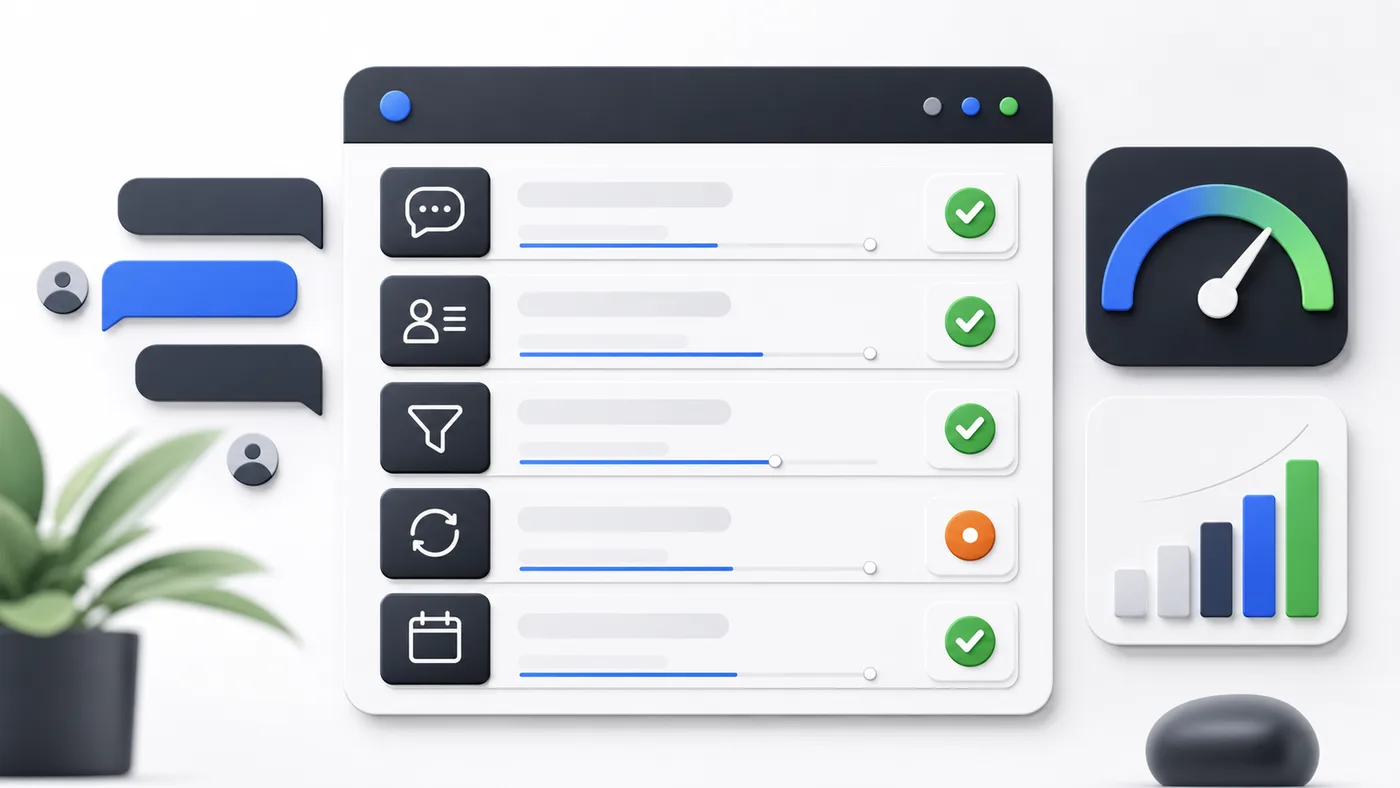
Do not obsess over the exact number.
Use the score to find the repeat pattern.
If five threads score low on context retention, the problem is not one bad reply. Your system is not preserving context.
If booked calls score low on qualification, your calendar may be inflated with weak-fit calls.
If follow-up is consistently a 1, your team may be doing the activity without enough judgment.
What different audit patterns mean
Once you score the sample, look for clusters.
| Pattern | Likely cause | Practical fix |
|---|---|---|
| Fast replies, low bookings | First reply is too generic or fails to build momentum | Add source-aware openers and better first questions |
| Many booked calls, weak close rate | Qualification is too shallow | Tighten fit criteria before sending the call link |
| Warm leads ghost after price | Price reply lacks context or confidence | Build a better price-to-fit response |
| Repeated questions in threads | Context is not being carried forward | Improve notes, AI context, or CRM fields |
| Setter books but coach feels unprepared | Handoff notes are weak | Require a short call prep summary |
| Follow-ups get ignored | Follow-ups are generic | Write stage-aware follow-up rules |
| Leads ask "what happens next?" | Handoff is unclear | Make the next step explicit before booking |
Only fix one or two things at a time.
If you change the script, qualification rules, follow-up timing, ad angle, and booking handoff all in the same week, you will not know which change moved the number.
The better move is boring: pick the highest-leverage failure, update the system, review another small sample next week.
Do not audit only your setter
If you have a setter, this audit will reveal setter issues. That is useful.
But do not make the setter the whole story.
Sometimes the setter is operating with unclear criteria. Sometimes the offer changed and the script did not. Sometimes the ad is attracting the wrong intent. Sometimes the AI assistant is not showing enough context. Sometimes the coach has not defined who should be disqualified.
The audit should separate people problems from system problems.
Ask:
- Did the person have the right instruction?
- Did the system show them the right context?
- Did the offer source of truth match the conversation?
- Did the CRM status match reality?
- Did the ad or CTA create the right expectation?
- Did the handoff give the coach enough information?
If you just say "setter needs to do better," you may miss the actual fix.
This is also why content-to-DM handoffs matter. A setter or AI assistant cannot use intent from content if the system never captures it.
Respect the platform you are selling inside
Instagram DMs are not an unlimited email inbox.
There are platform rules, API permissions, message surfaces, and automation constraints. Meta's Instagram messaging documentation is a useful reminder that professional DM workflows live inside specific supported features, not whatever shortcut a tool promises.
For coaches, the practical takeaway is simple: audit what is actually happening in the thread.
Did the message send? Did the lead respond? Did the system have permission to reply? Did the automation understand the context? Did the team know when to take over?
A conversation quality audit should keep you grounded in reality, not just dashboards.
The weekly 20-minute audit
You do not need a giant operations project to start.
Once a week, do this:
- Pull 10 recent conversations.
- Include at least three that did not book.
- Score each thread across the seven areas.
- Write down the top repeated failure.
- Update one script, rule, prompt, field, or handoff.
- Recheck the same area next week.
That is enough to start finding leaks.
The discipline is not the scorecard. The discipline is looking at real conversations instead of assuming the system is working because the calendar has calls on it.
What good looks like
A strong DM sales conversation does not feel like a script.
It feels like the business understands the lead, knows what information matters, and can move the person forward without making them feel processed.
The lead should feel:
- heard
- qualified
- guided
- not rushed
- clear on what happens next
- confident that the call is worth their time
The coach should feel:
- the thread had enough context
- the lead was not booked randomly
- the handoff was clean
- the team followed the right rules
- the follow-up matched the relationship
- the inbox is not relying on memory alone
That is the real point of this audit.
Not prettier dashboards. Not more messages. Not a bigger spreadsheet.
Better conversations that lead to better calls.
Final thought
If your coaching business is growing, DM quality cannot live in your head forever.
It has to live in the system.
Your team needs clear qualification rules. Your AI assistant needs context. Your follow-ups need judgment. Your booking handoff needs enough detail that the sales call starts warm instead of starting over.
That is what Intellicoach is built for: helping online coaches manage serious Instagram DM volume with context-aware AI, cleaner lead tracking, better follow-up, and fewer lost opportunities between the first reply and the booked call.
If you are ready to stop guessing which conversations are costing you calls, build a DM system that can actually remember, qualify, follow up, and hand off like the revenue depends on it.
Frequently asked questions
What is a DM conversation quality audit?
A DM conversation quality audit is a structured review of real sales conversations to see whether replies are timely, contextual, qualified, on-brand, followed up, and handed off cleanly to the next step.
How often should online coaches audit DM conversations?
Most coaches with real DM volume should review a small sample weekly and do a deeper audit monthly, especially when ads are scaling, a setter is involved, or booked-call quality changes.
What should coaches look for when reviewing DM conversations?
Look for first-reply quality, context retention, qualification depth, voice consistency, objection handling, follow-up timing, booking handoff clarity, and whether the lead felt understood before being moved forward.
Is DM conversation quality more important than response speed?
Response speed matters, but speed without context can still lose buyers. Strong DM systems protect both: fast enough replies and enough nuance that the lead feels understood.
Ready to Try Intellicoach?
Built for online coaches with real DM volume who want to automate follow-ups and qualification without losing their voice.